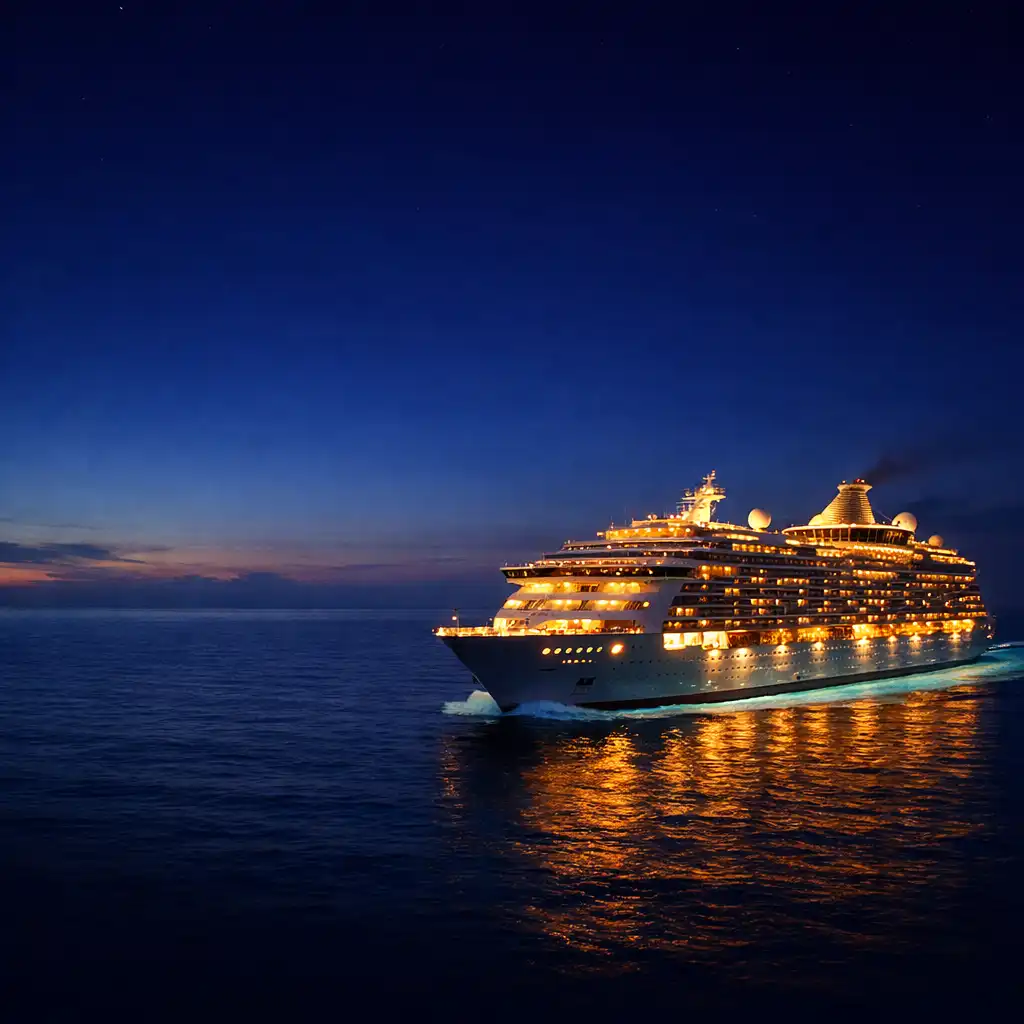
Luxury cruise ship sailing at dusk with warm deck lights reflecting on calm ocean water

First-Time Cruiser Guide

Set Sail with Confidence: Your First Cruise, Simplified

From choosing the right ship and stateroom to embarkation, sea days, budgeting, and debarkation, this independent Australian guide walks you through every step of your first luxury voyage.

First Steps

Planning Your Cruise

A little preparation before you book makes the difference between a stressful first cruise and a relaxed, memorable holiday. Work through these three steps in order.

  1. Choose Your Itinerary

    Consider destination, duration, and season when selecting your first cruise. Australian and Pacific itineraries are popular for first-timers because they offer short flights, familiar ports, and warm weather. Shorter three-to-five-night cruises are ideal for testing the waters without committing to a long voyage. Check visa and passport requirements for every international port on your route before you book.

  2. Select Your Stateroom

    Understand cabin categories and choose based on budget and preferences. Interior cabins are budget-friendly; oceanview and balcony cabins offer more natural light and private views. Suites provide extra space, priority services, and upgraded amenities. If you are concerned about motion, choose a midship cabin on a lower deck. Our Staterooms & Suites guide explains every category in detail.

  3. Book with Confidence

    Use a reputable booking aggregator to compare deals and secure your reservation. Look for flexible cancellation policies, consider comprehensive travel insurance, and book early for the best cabin selection. When you are ready, use our booking CTA to compare itineraries and prices from multiple cruise lines.

Embarkation Day

What to Expect When You Board

Arrival and Check-In

Arrive at the port with required documents and follow the check-in process. Have your passport, boarding pass, and any health forms ready. Luggage is typically checked at the terminal and delivered to your stateroom later in the afternoon. Security screening is similar to airports, so allow extra time.

Boarding and Orientation

Once onboard, explore the ship and attend the mandatory safety drill. The muster drill is required for all passengers under international maritime law. Grab a deck plan or download the cruise line app to navigate the ship. Many dining venues are open for lunch on embarkation day.

Settling In

Unpack, familiarise yourself with your stateroom, and plan your first evening. Luggage may take a few hours to arrive, so pack a small carry-on with essentials. Check the daily programme for activities and make dinner reservations early to secure your preferred time.

Passengers walking through a modern cruise terminal toward a large white ship on a sunny day
Boarding day at an Australian cruise terminal.

Life Onboard

A Day at Sea

Sea days are never boring. Here is what you can expect from three of the most popular onboard experiences.

Dining

From casual buffets to formal dining rooms, there is something for every taste. Main dining rooms offer multi-course meals, specialty restaurants may require reservations and fees, and room service is often included. Explore our Dining & Restaurants guide.

Entertainment

Enjoy Broadway-style shows, live music, and themed parties. Evening shows are typically included in the fare. Casinos and nightclubs are for adults 18 and over. Check the daily programme for times. See our Onboard Entertainment guide.

Wellness

Relax at the spa, hit the gym, or join a fitness class. Spa treatments often require booking, the fitness centre is usually free, and pools and hot tubs are open throughout the day. Visit our Spa & Wellness guide.

Budgeting

Budgeting for Your Cruise

Understanding what is included and what costs extra helps you avoid surprises on your final bill.

Fare Inclusions

Know what is included in your cruise fare to avoid surprises. Accommodation, main dining, and most entertainment are included. Some beverages and specialty dining cost extra. Gratuities may be added automatically to your onboard account. Inclusions vary by cruise line, so read the fine print before booking.

Onboard Spending

Plan for extras like drinks, shore excursions, and spa treatments. Set a daily budget for incidentals and track your onboard account. Consider beverage packages if you drink regularly. Shore excursions can be booked onboard or independently. Prices shown on Liner Journal are in Australian dollars for AU travellers.

Saving Tips

Use these strategies to keep costs down. Book early or last-minute for deals, look for included perks like onboard credit, and avoid expensive Wi-Fi packages if you do not need them. The booking aggregator may offer exclusive deals not available directly from cruise lines.

Packing

Packing Essentials

Clothing and Footwear

  • Daywear: shorts, t-shirts, swimwear, cover-ups
  • Evening wear: smart casual, cocktail attire, formal night options
  • Comfortable walking shoes for shore excursions

Documents and Essentials

  • Passport, visas, boarding pass, travel insurance
  • Medications, sunscreen, sunglasses, hat
  • Power adapters, chargers, and a small day bag

Staying Connected

Staying Connected at Sea

Internet Packages

Most ships offer Wi-Fi packages for a fee. Packages vary by speed and data allowance. Consider purchasing before boarding for discounts. Some cruise lines include basic Wi-Fi in higher fares. Satellite internet at sea can be slower and more expensive than land-based connections.

Phone and Messaging

Avoid roaming charges by using ship Wi-Fi and apps. Put your phone in airplane mode to prevent roaming. Use messaging apps over Wi-Fi. Cruise line apps offer onboard chat features. Roaming charges can be exorbitant at sea, so disable cellular data before departure.

Common Concerns

Common Concerns for First-Timers

Seasickness

Modern ships have stabilisers, and remedies are available. Choose a midship cabin on a lower deck. Over-the-counter medications and acupressure bands help. Consult a doctor for prescription options. Stabilisers reduce but do not eliminate motion.

Safety

Cruising is one of the safest forms of travel. Ships undergo regular safety inspections. Crew are trained in emergency procedures. Muster drills are mandatory for all passengers. International maritime regulations require safety drills.

Accessibility

Cruise lines accommodate passengers with disabilities. Accessible staterooms and public areas are available. Wheelchair assistance can be arranged. Service animals are permitted on many ships. Advance notice is required for special assistance.

Debarkation

Debarkation and Beyond

Debarkation Process

Follow the ship's instructions for a smooth departure. Luggage is collected the night before or carried off. Disembarkation is staggered by group. Keep travel documents handy for customs. Customs regulations vary by country.

Post-Cruise Tips

Reflect on your experience and plan your next voyage. Leave a review to help other cruisers. Join loyalty programmes for future perks. Start dreaming about your next destination. Liner Journal encourages sharing experiences.

FAQ

Frequently Asked Questions

Ready to Set Sail?

Your First Voyage Awaits

Compare itineraries and prices from multiple cruise lines to find the best deal for your first luxury cruise. Start your journey today.

Explore Cruise Deals & Itineraries